STEM Programmes & Workshops
Grade-appropriate investigations, robotics and project experiences with an agreed learning focus.
Explore this pathway

TECHNOVA / SCHOOL STEM & ROBOTICS PLANNING
Plan a practical STEM learning environment around your students, teachers and existing resources. Discuss robotics, science activities and a sustainable school programme with TECHNOVA.
Start with your school's goals. Together, we'll shape the resources, teacher support and programme plan.
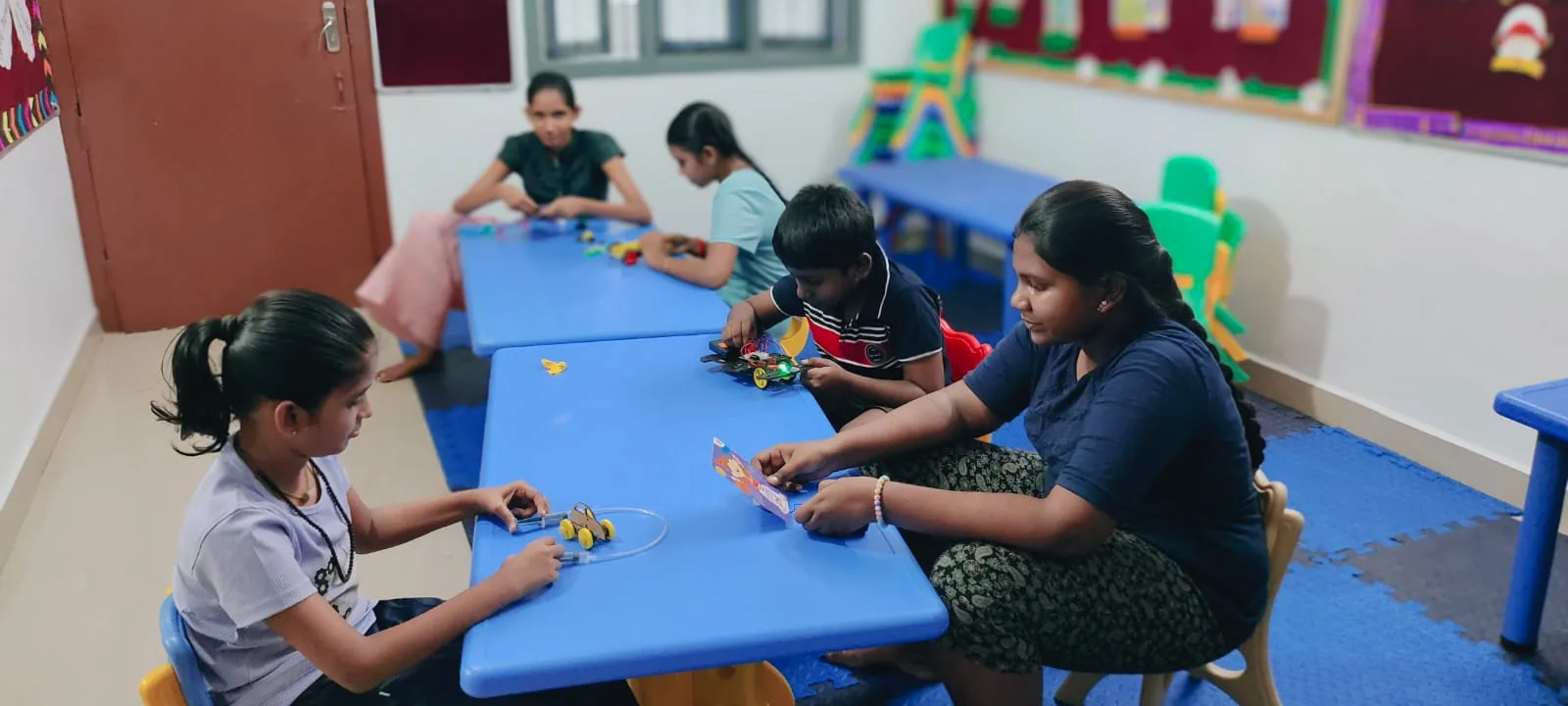
A SHARED LEARNING ENVIRONMENT
Students, teachers and school priorities shape the brief. This illustration explains the planning approach, not a promised equipment installation.
01 / ONLY THE PATHWAYS THAT MATTER
Choose the conversation that matches your immediate need. A single programme brief can combine student activities and teacher development where appropriate.
Grade-appropriate investigations, robotics and project experiences with an agreed learning focus.
Explore this pathwayPractical facilitation, lesson adaptation and evidence-based classroom reflection.
Explore this pathwayShare your priorities so scope, resources, responsibilities and costs can be discussed together.
Explore this pathway02 / A FORMAT THAT FITS YOUR SCHOOL
A bounded experience to explore a topic and understand learner readiness.
A sequence of sessions that allows students to revisit, improve and explain their work.
A development pathway that helps school staff adapt activities for regular classroom use.
03 / HOW A PARTNERSHIP TAKES SHAPE
Discuss grades, learning priorities, existing experience, timetable and available spaces. No student-level records are needed for the initial conversation.
Define activities, delivery format, group arrangements, facilitator roles, resources and accessibility needs at a programme level.
Review the venue, equipment, safeguarding responsibilities, consent requirements and agreed commercial terms before scheduling.
Use an agreed observation or project rubric, record revisions and discuss what to retain or improve. Reporting scope is agreed, not assumed.
04 / RESPONSIBILITIES & READINESS
Use existing school resources where suitable. A lab installation, equipment supply or government affiliation is not included or implied by a programme discussion.
05 / GRADE-WISE PROGRESSION
Notice, compare and make
Predict, investigate and explain
Design, code and iterate
Integrate, test and present
Readiness, supervision and school priorities determine activity selection. Grade labels are a planning guide, not a guarantee of course availability.
06 / EVIDENCE OVER PROMISES
Can learners describe the problem, a prediction and why they chose a particular approach?
Can they compare a first attempt with a change informed by observation or testing?
Can students and teachers explain limitations, collaboration and a sensible next step?
Suggested evidence may include anonymised observation notes, project rubrics and teacher reflection. No guaranteed attainment gains, examination results or competition awards are claimed.
PLANNING REFERENCES / INDEPENDENT PUBLIC RESOURCES
The programme-planning approach draws on public examples of hands-on learning, teacher preparation and teamwork. The wording and proposed TECHNOVA scope are original; these references are not testimonials, partnerships or endorsements.
Curiosity, design mindset and physical computing as learning goals.
Activity-based teacher preparation and reference resources.
Teamwork, hands-on problem-solving and explaining a project.
Practical educator learning and classroom implementation.
No affiliation with AIM, FIRST or LEGO Education is claimed. Their programme eligibility, products and certifications do not transfer to TECHNOVA.
07 / BEFORE WE BEGIN
No. These pages focus on student programmes, teacher development and proposal planning. Any equipment, existing-lab support or additional services must be explicitly discussed and included in a written scope. No AIM, LEGO Education or FIRST affiliation is claimed.
An enquiry is not a lab installation package or a zero-cost offer. Equipment, scope, fees, safeguarding and delivery arrangements are agreed individually in the written proposal before booking.
A focused workshop can be discussed as an initial format. Topic, readiness, facilitator availability, materials, fees and dates must be confirmed before booking.
Do not assume these are included. Assessment evidence, reporting, completion recognition and support periods must be specified in the agreed proposal.
School name, location, an authorised contact, grade groups, approximate cohort size and goals are sufficient. Do not send student names, health details or confidential school records.
A PRACTICAL NEXT STEP
No student records needed. Share your goals and an authorised contact.