Complete curriculum modules
Explore the supplied embedded foundations learning sequence.


EMBEDDED FOUNDATIONS / ENGINEERING LEARNING
Complete syllabus · Beginner to Intermediate
Suggested duration: 60 hours.
This course introduces students to the design, programming and development of embedded systems used in real-world electronic devices, smart products, industrial automation and IoT applications.
Starting level, batch dates, software and equipment are confirmed through counselling. See fees and batch timings below. An enquiry is not a confirmed booking.
PLAN AHEAD
Course fee / 60 hours₹9,999 + 18% tax
Total including tax₹11,798.82
Regular, weekend and Sunday batches available. Monday–Saturday: preferred slots 9am–6pm; Sunday: 10am–1pm (IST). Slots, dates and places require availability confirmation.
Fees exclude 18% tax; totals include tax. Confirm material, licence and take-home kit charges before enrolment. Enquiry is not a reservation.
EMBEDDED SYSTEMS FUNDAMENTALS / AT A GLANCE
Explore the supplied embedded foundations learning sequence.
Session frequency and calendar duration are confirmed by enquiry.
One hour per application, included in Module 9's eight practical hours.
01 / COURSE OVERVIEW
This course introduces students to the design, programming and development of embedded systems used in real-world electronic devices, smart products, industrial automation and IoT applications.
Students learn microcontroller architecture, embedded C programming, interfacing electronic components, sensor integration, communication protocols and hardware-based project development.
No previous microcontroller experience is assumed. Basic arithmetic and familiarity with using a computer are helpful; discuss readiness with a mentor.
Write Embedded C programs, interface circuits and sensors, debug hardware and firmware, and demonstrate a working embedded prototype.
02 / WHAT YOU WILL WORK ON
Relate voltage, current and resistance to component choices and a complete low-voltage signal path.
Use variables, loops and conditions to connect a sensor reading with a controlled output.
Check connections and isolate inputs before combining firmware and hardware.
03 / CURRICULUM & PRACTICE
Ten modules total 60 hours. The eight practical project hours are included in Module 9; assessment and demonstration occupy the final three hours.
04 / PRACTICAL PROJECTS & APPLICATIONS
Students develop working embedded system applications using microcontrollers, electronic components and sensors. Each of the eight projects is allocated one practical hour within Module 9. Diagrams are conceptual, not wiring instructions or verified student work.
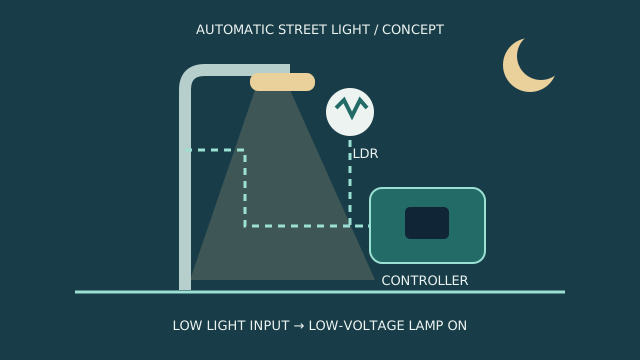
PROJECT 1 / 1 PRACTICAL HOUR
Use an LDR reading to control a low-voltage light indicator.
Evidence to discuss: Compare readings above and below the chosen threshold and record the output response.
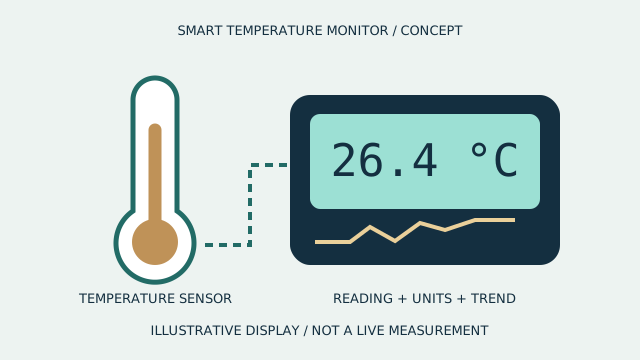
PROJECT 2 / 1 PRACTICAL HOUR
Acquire temperature readings from a suitable sensor and display the result with units.
Evidence to discuss: Document sensor checks and distinguish measurement resolution from accuracy.
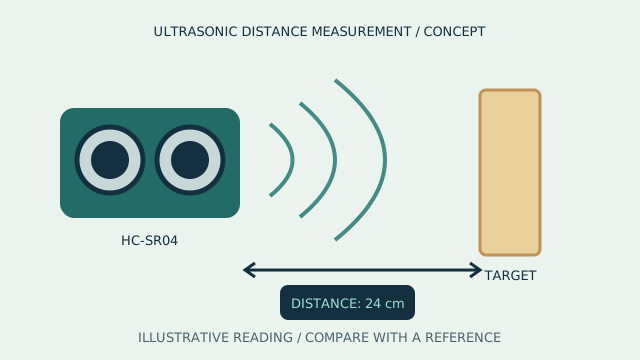
PROJECT 3 / 1 PRACTICAL HOUR
Read an HC-SR04 distance sensor in a supervised low-voltage setup.
Evidence to discuss: Compare readings with reference distances and note unreliable or out-of-range cases.
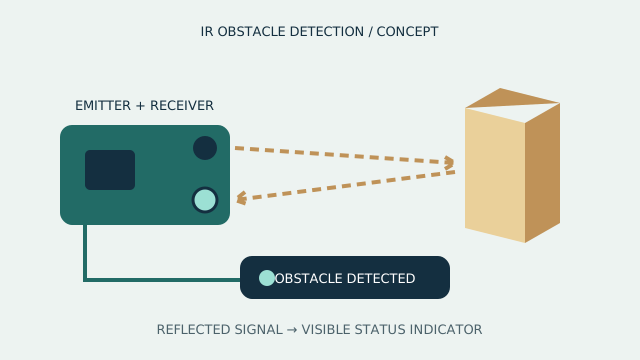
PROJECT 4 / 1 PRACTICAL HOUR
Connect an IR sensor to a visible obstacle-detection indicator.
Evidence to discuss: Test different target positions and record the limits of detection.
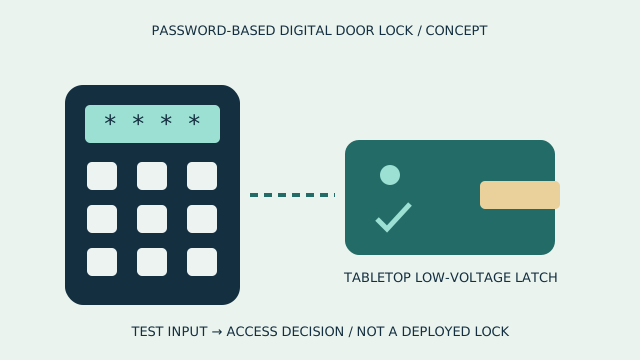
PROJECT 5 / 1 PRACTICAL HOUR
Model a keypad access decision with test passwords and a tabletop low-voltage actuator or indicator.
Evidence to discuss: Demonstrate accepted and rejected inputs; this is not a deployed security or emergency-exit lock.
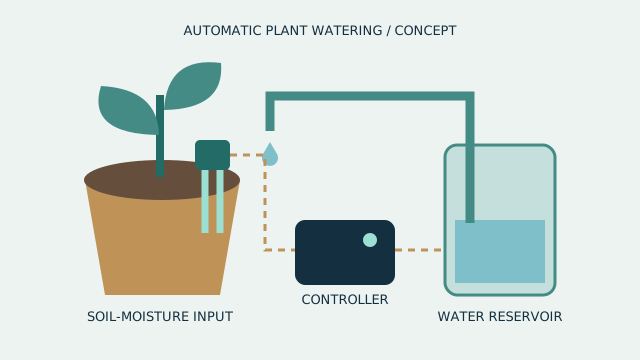
PROJECT 6 / 1 PRACTICAL HOUR
Use a soil-moisture input to demonstrate a supervised low-voltage watering response.
Evidence to discuss: Test the decision threshold and keep water isolated from exposed electronics.
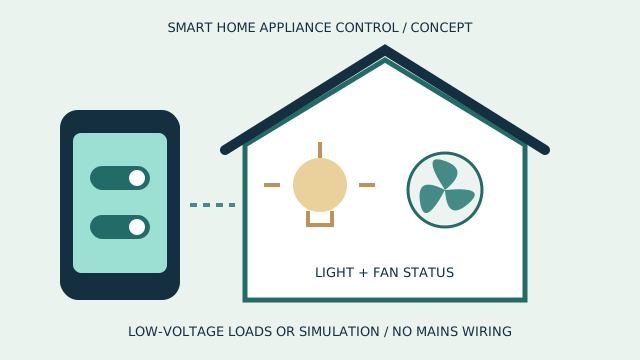
PROJECT 7 / 1 PRACTICAL HOUR
Demonstrate appliance-control logic with low-voltage loads or a simulator, not household mains wiring.
Evidence to discuss: Record command and output states and explain the response to an invalid input.
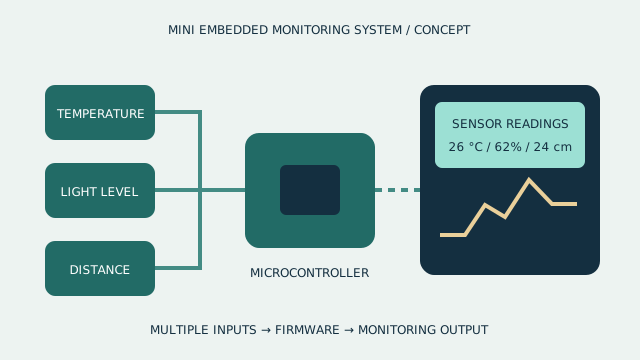
PROJECT 8 / 1 PRACTICAL HOUR
Integrate sensor acquisition, firmware decisions and a monitoring output in a small prototype.
Evidence to discuss: Present a circuit plan, test readings and one documented debugging correction.
EMBEDDED FOUNDATIONS / PROJECT WORKFLOW
Scroll to follow the journey. On a smaller screen, swipe the cards or use your keyboard.
Read a sensor independently and inspect its signal.
Write a condition that connects the reading with an output.
Check low-voltage connections before running the combined firmware.
Compare expected and observed behavior, then document a revision.
EMBEDDED FOUNDATIONS / INTERACTIVE CONCEPT
Inspect how a sensor interface, controller board and connections become one embedded system. The model shows conceptual layers, not a particular Arduino board or a wiring plan.
This illustrative 3D model is not a hardware specification, a functional simulation, a fabrication file or equipment promised with enrolment.
Inspect how a sensor interface, controller board and connections become one embedded system. The model shows conceptual layers, not a particular Arduino board or a wiring plan. Interactive rotation and layer separation require JavaScript and WebGL.
Drag to rotate. On desktop, scroll to separate the layers, or use the controls.
05 / HARDWARE PLATFORMS & DEVELOPMENT TOOLS
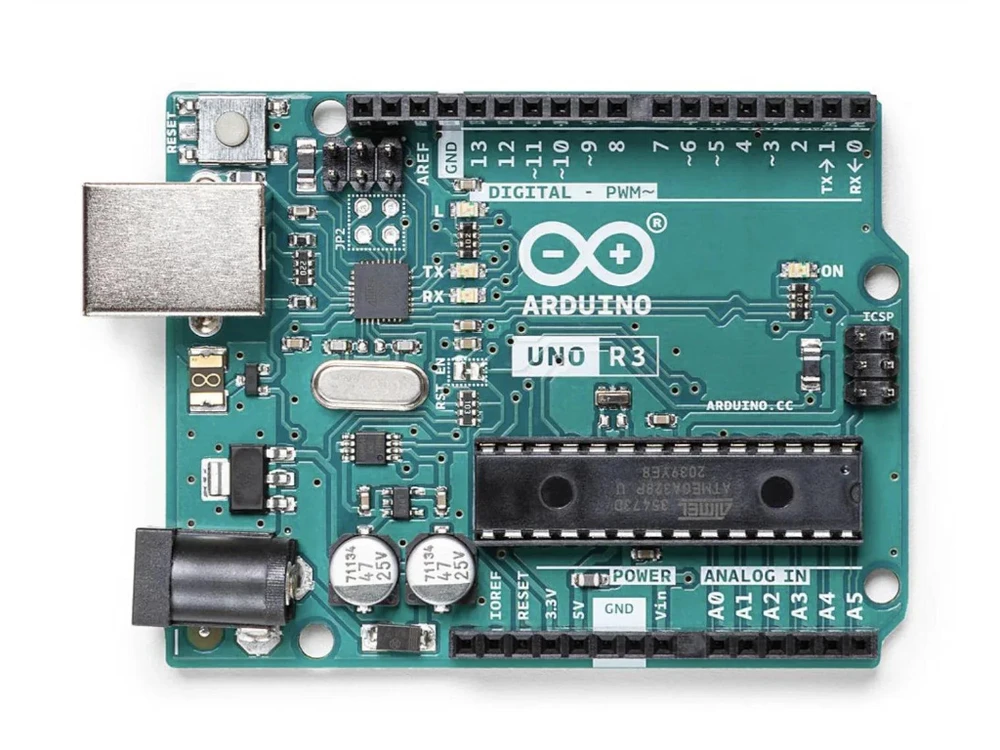
01 / HARDWARE PLATFORM
Explore GPIO, ADC, PWM and sensor interfacing on an ATmega328P-based Uno R3 while practising Embedded C fundamentals.
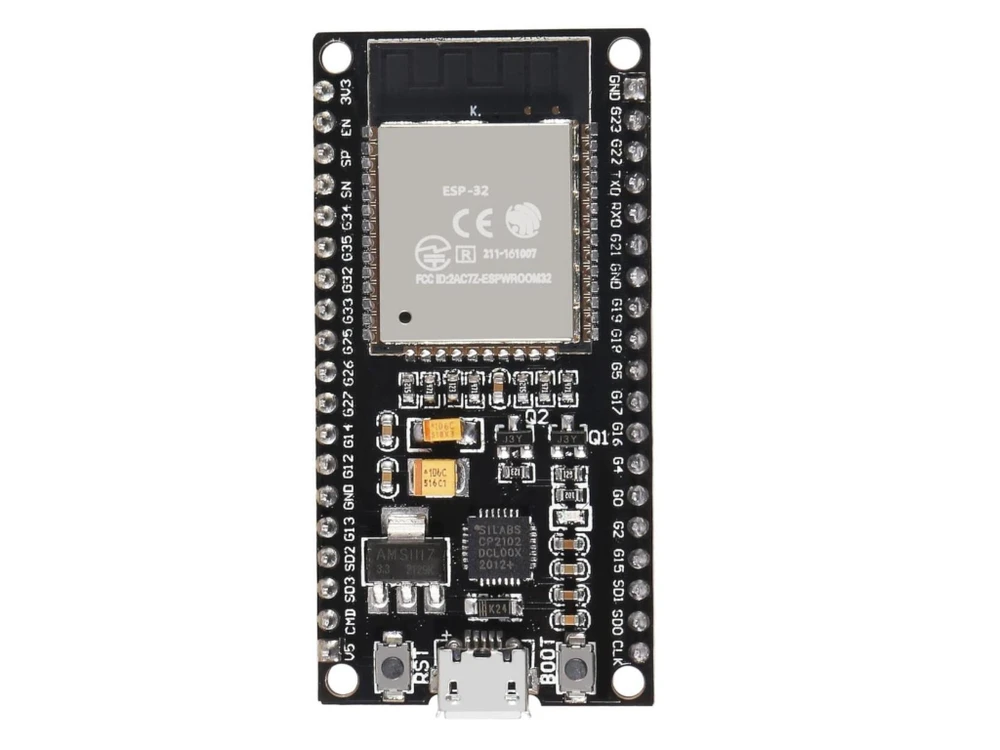
02 / HARDWARE PLATFORM
Explore Wi-Fi, Bluetooth, digital interfaces and IoT fundamentals using an ESP-WROOM-32 development board.
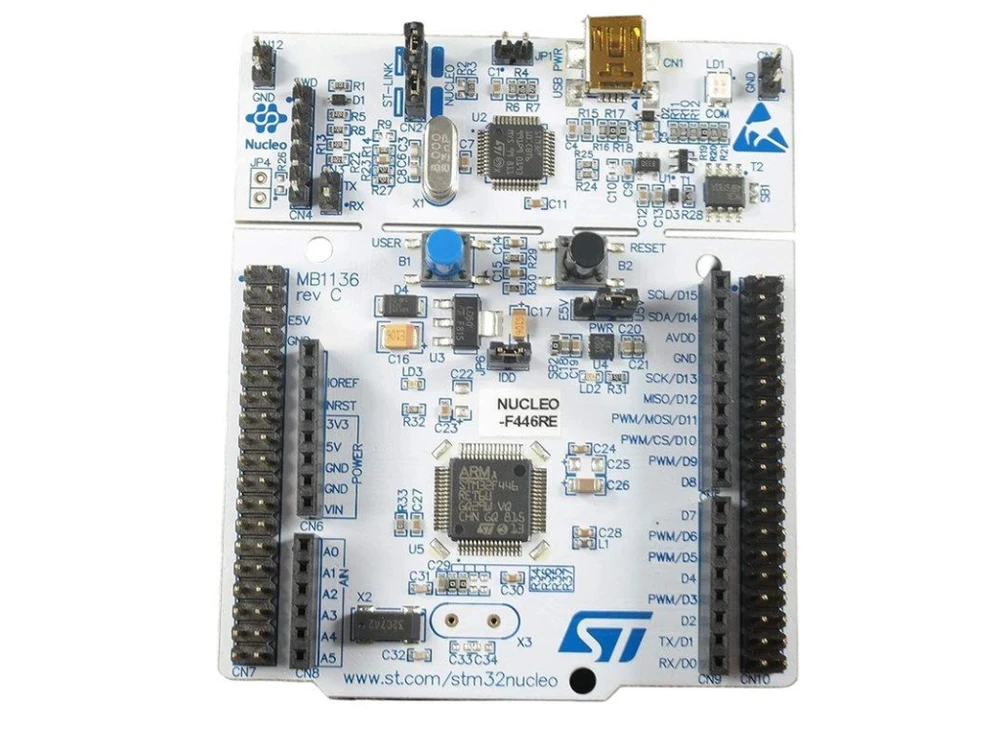
03 / HARDWARE PLATFORM
Introduce ARM Cortex-M4 architecture and embedded programming with the Nucleo-F446RE and its onboard ST-LINK debugger.
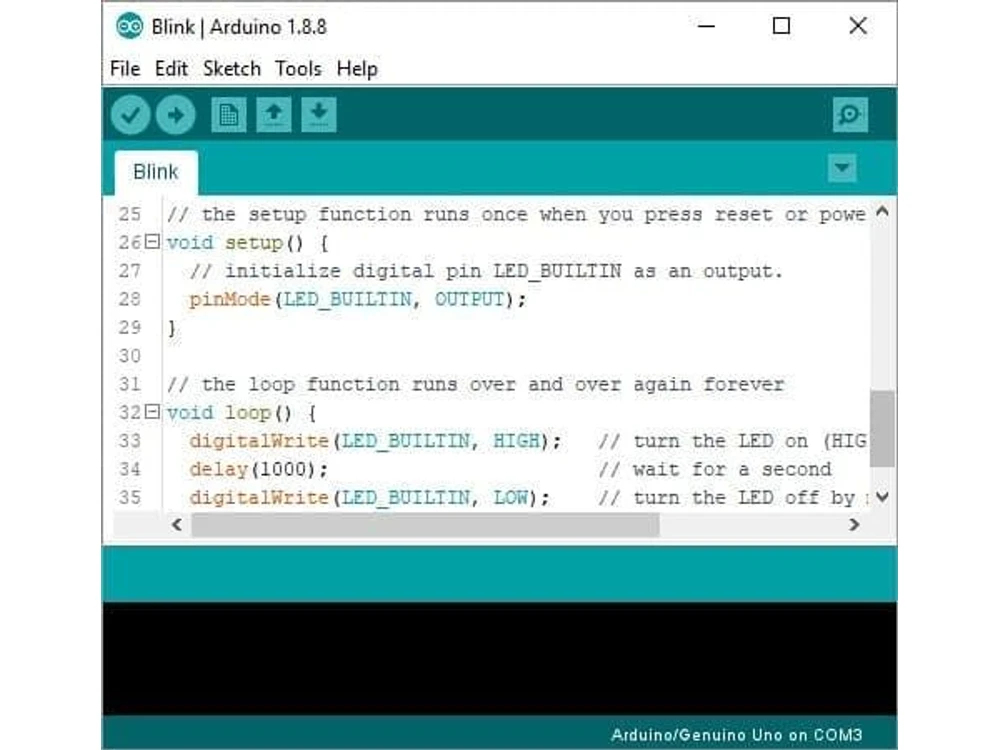
04 / DEVELOPMENT TOOL
Write, verify and upload microcontroller sketches. The Arduino IDE 1.8.8 example shows Blink and board/port selection.
05 / DEVELOPMENT TOOL
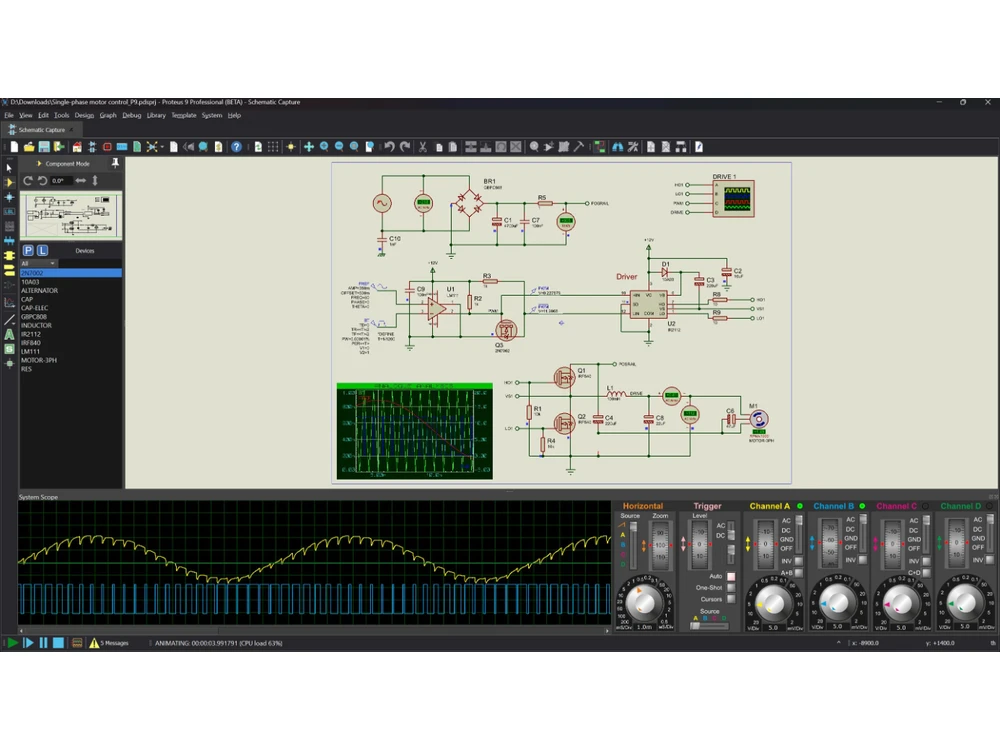
Explore schematic capture, circuit simulation and waveform inspection. The Proteus 9 beta example illustrates a motor-control circuit, not a practical wiring guide.
06 / DEVELOPMENT TOOL
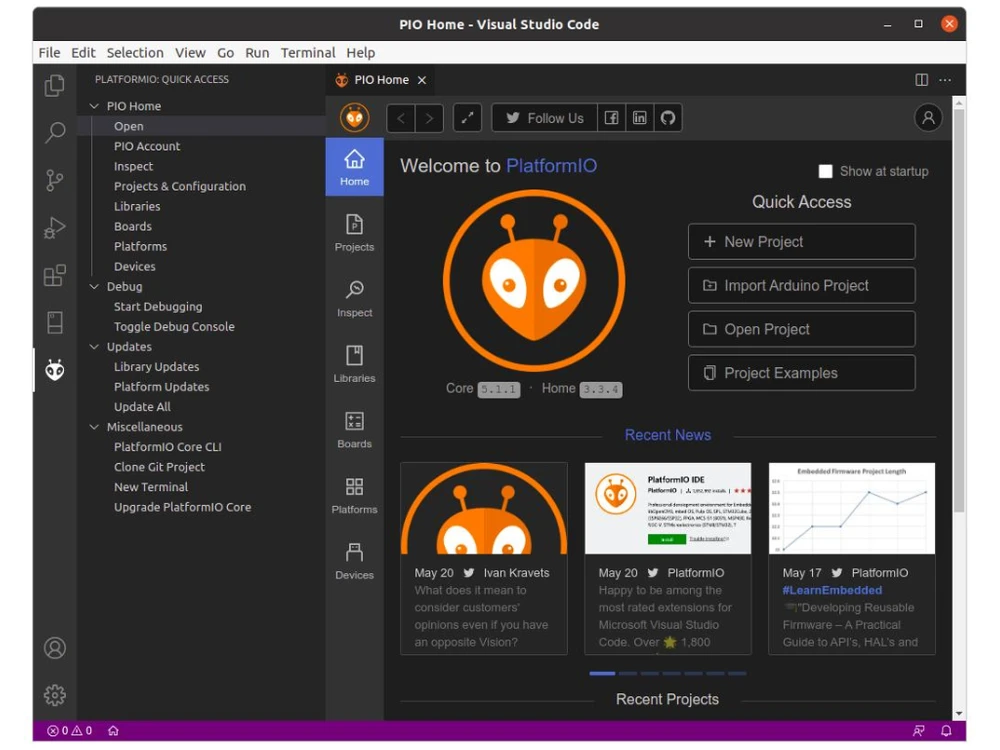
Create or import embedded projects, select boards and manage libraries through PlatformIO Home in Visual Studio Code.
Arduino Uno, ESP32, STM32 Nucleo, Arduino IDE, Proteus Design Suite and VS Code with PlatformIO support the course's programming and hardware practicals.
Confirm hardware, software versions, licences, consumables, fabrication and lab access before enrolment. No personal kit or software licence is promised.
Use protected low-voltage educational circuits. Relay demonstrations do not authorize mains switching; component ratings and polarity must be checked under supervision.
06 / LEARNING OUTCOMES
After completing this course, students will be able to:
07 / CAREER OPPORTUNITIES
These are related career pathways, not a placement or job-readiness guarantee. Employer requirements vary; further study and practical experience may be needed.
08 / ASSESSMENT & CERTIFICATION
The final three-hour module includes programming assessment, circuit and sensor practicals, debugging, project demonstration and a technical viva. Confirm certificate issuance requirements with TECHNOVA before enrolment; no external accreditation is claimed here.
09 / BEFORE YOU JOIN
This course introduces students to the design, programming and development of embedded systems used in real-world electronic devices, smart products, industrial automation and IoT applications.
No previous microcontroller experience is assumed. Familiarity with basic arithmetic and using a computer is helpful.
Module 9 allocates eight practical hours to eight applications, from automatic lighting and temperature monitoring to a mini embedded monitoring system. Each project has one allocated practical hour.
The complete course is 60 hours across ten modules, including eight practical project hours and three assessment hours. Confirm batch dates and session frequency before booking.
Arduino Uno, ESP32, STM32 Nucleo, Arduino IDE, Proteus Design Suite and VS Code with PlatformIO support the course's programming and hardware practicals. Equipment, licences, fees, delivery mode and lab access must be confirmed for each batch.
Request counselling to confirm prerequisites, course availability and scheduling. An enquiry is not a confirmed booking.
START WITH A COURSE CONVERSATION
Share your current experience and project goals. Confirm readiness, availability, fees, tools and class arrangements with TECHNOVA.
THE COURSE JOURNAL
Learn how sensors, firmware and outputs form a small embedded system, and why testing one interface at a time is a better starting point than a complex build.
Read the course article